A Simple Guide to Choosing the Right Mailers for Safe Shipping
Shipping is one of the most important parts of any business. A product may look perfect when packed, but during delivery it can face pressure, stacking weight, sudden movement, and accidental drops. If the packaging is not strong enough, the item inside may bend, break, or get scratched. That is why choosing the right mailers is not a small decision — it directly affects customer satisfaction and business reputation.
Different mailers are designed for different purposes. Some prevent bending. Some absorb shock. Some focus on eco-friendly packaging. Understanding these differences helps you make a smart choice instead of guessing.
Why Packaging Choice Matters More Than You Think
Every package goes through multiple handling stages:
Warehouse storage
Sorting systems
Transport movement
Delivery handling
During this process, parcels are stacked on top of each other. Heavy boxes may press on lighter ones. Vehicles may shake during travel. If the packaging is weak, damage becomes very common.
Using the correct mailer helps you:
Reduce damaged returns
Save replacement costs
Improve customer trust
Strengthen your brand image
Deliver products safely
Now let’s clearly understand the three main types of mailers used for safe shipping.
Durable Card Mailers – Strong Flat Protection
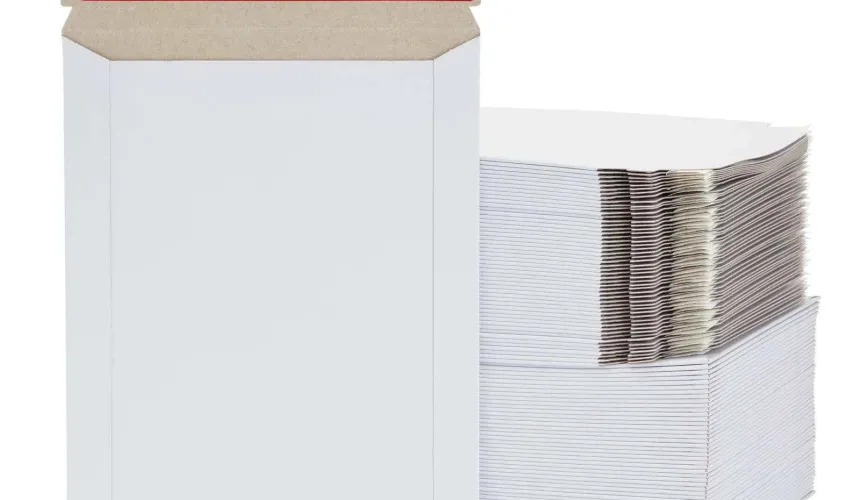
A durable card mailer is a rigid envelope made from thick paperboard. It is specially designed to prevent bending and folding during transit.
Card Mailer Specifications
Material: 650 GSM rigid paper
Type: Card Mailer / Rigid Mailer Envelope
Strong structured design
650 GSM paper is very thick compared to normal packaging paper. This makes rigid card mailers extremely strong and stable.
They are also known as:
Rigid card mailers
Protective card mailers
When to Use Card Mailers
Card mailers are ideal for flat and sensitive items such as:
Certificates
Legal documents
Photographs
Artwork prints
Important papers
Thin books
If your product must remain completely flat, this is the safest choice.
Card Mailer Feature Overview
Feature
Details
Material
650 GSM rigid paper
Protection Type
Bend-resistant
Cushioning
No internal padding
Strength Level
Very High
Best Use
Flat documents & prints
Recyclable
Yes
Card mailers focus on structure rather than cushioning.
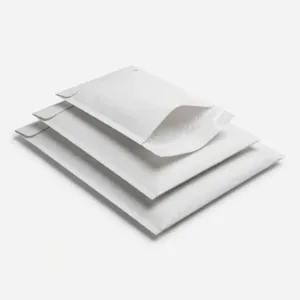
Honeycomb mailers are padded envelopes that use a paper honeycomb structure inside instead of plastic bubbles. This design provides shock absorption while remaining environmentally friendly.
They are commonly referred to as:
Plastic free mailers
Recyclable honeycomb mailers
Wholesale honeycomb mailers
Affordable honeycomb mailers
Honeycomb Mailer Specifications
Paper Thickness: 80 GSM outer layer
Fully recyclable – no plastic bubbles inside
Paper-based honeycomb cushioning
The honeycomb structure spreads impact evenly and protects fragile items.
A durable card mailer made from 650 GSM rigid paper offers the best bending protection for important documents and certificates.
2. Are honeycomb mailers fully recyclable?
Yes. Honeycomb mailers are fully recyclable and contain no plastic bubbles, making them true plastic free mailers.
3. Which mailer is better for fragile electronics?
Bubble padded envelopes provide higher shock absorption because of air-filled bubbles. They are ideal for small fragile electronics.
4. Can bubble mailers be used for Australia Post shipping?
Yes. Many sellers use bubble mailers for Australia Post shipping mailers due to their lightweight structure. Always check weight and size limits before sending.
5. What does GSM mean in packaging?
GSM means grams per square meter. It measures how thick the paper is. Higher GSM indicates stronger material.
6. Are recyclable honeycomb mailers strong enough for e-commerce?
Yes. Recyclable honeycomb mailers provide good cushioning for small to medium fragile products and are ideal for eco-friendly brands.
7. Should small businesses invest in rigid card mailers?
If the business ships flat and important items, rigid card mailers reduce damage risk and improve customer satisfaction.
Choosing the right custom jewellery boxes is an important step for any jewellery brand in Australia. Your packaging is often the first physical touchpoint customers...
Shipping is a very important part of any business. When you send a product to a customer, the packaging becomes the first physical connection between...


 by Eco Friendly Packaging
January 23, 2026
Comments Off on How to Choose the Right Custom Jewellery Boxes for Jewellery Brands?
by Eco Friendly Packaging
January 23, 2026
Comments Off on How to Choose the Right Custom Jewellery Boxes for Jewellery Brands?