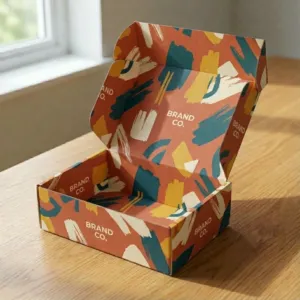
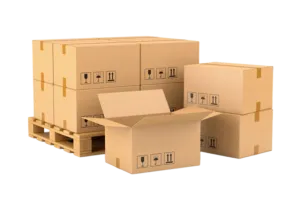
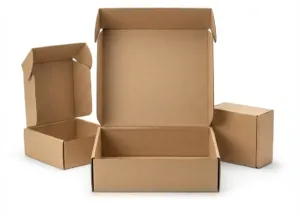
Custom Eco Friendly Packaging: A Complete Guide for Sustainable Brand
Why Cardboard Boxes Are Going Green
For decades, cardboard boxes have been the unsung heroes of global commerce — protecting products, simplifying logistics, and keeping goods safe from factory to doorstep. But in 2025, cardboard is doing more than just protecting products — it’s protecting the planet.
As environmental awareness grows, both consumers and brands are questioning the hidden impact of traditional packaging. The truth is, standard cardboard — while recyclable — often contains virgin pulp, chemical adhesives, and plastic coatings that aren’t sustainable at scale.
Today’s planet-friendly cardboard is designed to: Reduce carbon footprint through recycled materials Minimize pollution using non-toxic inks and adhesives Promote circularity with 100% recyclable, biodegradable components
Eco packaging is no longer a niche concept. It’s a business advantage that reflects responsibility, authenticity, and innovation — values modern customers expect.
In fact, studies show that 78% of consumers prefer to buy from environmentally conscious brands. That’s why going green isn’t just good for the planet — it’s good for business.
What Makes Cardboard Boxes Eco-Friendly
So, what exactly turns an ordinary cardboard box into an eco-friendly one? It all starts with the materials — the foundation of sustainable packaging.
Sustainable Raw Materials
Eco cardboard boxes are made from a mix of recycled and responsibly sourced fibers.
Recycled Paperboard
Derived from post-consumer waste such as newspapers, cartons, and old boxes.
Reduces demand for virgin pulp and prevents landfill waste.
Retains the strength and flexibility of traditional cardboard.
Virgin Kraft Paper (FSC Certified)
When recycled fibers are unavailable, manufacturers use wood pulp from FSC-certified forests — forests managed responsibly to ensure regrowth and biodiversity.
Corrugated Cardboard Layers
Eco versions often use single-face or double-wall corrugation made from recycled paper fibers, giving high durability with less material usage.
Sustainable Printing & Additives
Soy-Based Inks: Derived from soybeans instead of petroleum, they release fewer VOCs and produce richer colors.
Water-Based Adhesives: Replace chemical glues with biodegradable, food-safe bonding agents.
Non-Plastic Coatings: Traditional glossy finishes are replaced by compostable water-based varnishes or plant-based laminations.
Minimal Waste Design
Eco packaging design prioritizes efficiency and recyclability:
Compact box designs minimize material waste.
Die-cut templates optimize cutting efficiency.
Boxes are designed for flat shipping, reducing transport emissions.
By starting with clean materials and a smarter design philosophy, eco cardboard boxes become the foundation of sustainable supply chains.
Inside the Eco Box Manufacturing Process
Eco cardboard box manufacturing is a fascinating blend of traditional paper-making and modern sustainability innovation. Here’s how paper becomes planet-friendly packaging:
Step 1: Collecting and Sorting Recycled Paper
The process begins with the collection of post-consumer and post-industrial paper waste. Recycling facilities separate usable fibers from contaminants like plastic films, staples, and ink residues.
Step 2: Pulping and Cleaning
The sorted paper is mixed with water in large tanks to create pulp. It then goes through de-inking and filtration, removing glue, ink, and impurities using eco-friendly surfactants instead of harsh chemicals.
Step 3: Blending with Virgin Fibers
To maintain strength, recycled pulp is blended with a small portion of FSC-certified virgin fibers. This ensures that the resulting paper has durability comparable to traditional cardboard.
Step 4: Sheet Formation
The pulp mixture is spread onto wire screens and passed through rollers that remove excess water. Sheets are then dried with energy-efficient heat systems or even solar-powered dryers in some modern facilities.
Step 5: Eco Printing and Branding
Once dried, the sheets are ready for printing using digital or flexographic printing with soy-based inks. Digital printing, in particular, eliminates setup waste and uses significantly less water — making it ideal for short runs and customization.
Step 6: Cutting, Folding & Assembly
After printing, the cardboard sheets are cut into precise shapes using CNC-controlled die-cut machines. The precision ensures minimal waste and consistent quality. Water-based adhesives are used for folding and gluing — no toxic solvents involved.
Step 7: Finishing & Quality Checks
Instead of plastic coatings, compostable varnishes are applied for protection. Finally, boxes are tested for strength, moisture resistance, and recyclability before being shipped flat to minimize space and emissions.
Each stage is designed to reduce waste, energy, and emissions, proving that sustainability and performance can coexist beautifully.
Why Brands Are Embracing Eco Cardboard Packaging
Leading brands across industries — from fashion to food delivery — are switching to eco cardboard boxes because they understand one thing: Packaging is brand identity.
When a customer receives an eco-friendly package, it says:
“This brand cares about quality, people, and the planet.”
Benefits for Businesses
Improved Brand Perception Consumers associate sustainable packaging with trust and professionalism.
Regulatory Compliance Governments worldwide are tightening packaging waste laws — going eco keeps you compliant and ahead.
Lower Long-Term Costs Lightweight and recyclable materials reduce logistics costs.
Social Media Value Sustainable unboxing experiences drive organic content and brand loyalty.
Eco Innovation Appeal Brands adopting sustainable packaging gain an edge in attracting eco-conscious investors and partners.
Eco cardboard boxes aren’t just packaging — they’re a public statement of your brand’s values.
Packaging That Builds a Greener Legacy
Sustainability is not a campaign — it’s a commitment. Brands that invest in eco packaging today are shaping a future-proof identity that resonates with next-generation consumers.
Customers who buy eco-conscious products don’t just make a purchase — they join a community. They become brand advocates who share, recommend, and stay loyal.
Long-Term Impact
Reduced carbon footprint in logistics
Positive brand reputation and trust
Stronger customer retention through shared values
Contribution to circular economy initiatives
Eco cardboard boxes help brands achieve what every modern business wants — growth with purpose.
Your packaging should protect more than products — it should protect the planet’s future.
FAQs
What makes a cardboard box eco-friendly?
They’re packaging boxes designed with your brand’s logo, colors, and messaging to create a strong visual identity and enhance customer experience.
How are eco cardboard boxes different from traditional ones?
Eco boxes use less virgin pulp, avoid plastic coatings, and rely on clean production methods that lower emissions and waste.
Are eco cardboard boxes durable enough for shipping?
Yes. They’re engineered for the same strength standards as conventional boxes, with multi-layer corrugation for added protection.
Do eco boxes cost more?
Initially, they may have a slight premium, but long-term savings come from reduced material waste, lower shipping costs, and brand value.
Can eco cardboard boxes be customized?
Absolutely. They support full-color printing, embossing, and branding using sustainable inks and finishes.
Why Cardboard Boxes Are Going Green
For decades, cardboard boxes have been the unsung heroes of global commerce — protecting products, simplifying logistics, and keeping goods safe from factory to doorstep. But in 2025, cardboard is doing more than just protecting products — it’s protecting the planet.
As environmental awareness grows, both consumers and brands are questioning the hidden impact of traditional packaging. The truth is, standard cardboard — while recyclable — often contains virgin pulp, chemical adhesives, and plastic coatings that aren’t sustainable at scale.
Today’s planet-friendly cardboard is designed to: Reduce carbon footprint through recycled materials Minimize pollution using non-toxic inks and adhesives Promote circularity with 100% recyclable, biodegradable components
Eco packaging is no longer a niche concept. It’s a business advantage that reflects responsibility, authenticity, and innovation — values modern customers expect.
In fact, studies show that 78% of consumers prefer to buy from environmentally conscious brands. That’s why going green isn’t just good for the planet — it’s good for business.
What Makes Cardboard Boxes Eco-Friendly
So, what exactly turns an ordinary cardboard box into an eco-friendly one? It all starts with the materials — the foundation of sustainable packaging.
Sustainable Raw Materials
Eco cardboard boxes are made from a mix of recycled and responsibly sourced fibers.
Recycled Paperboard
Derived from post-consumer waste such as newspapers, cartons, and old boxes.
Reduces demand for virgin pulp and prevents landfill waste.
Retains the strength and flexibility of traditional cardboard.
Virgin Kraft Paper (FSC Certified)
When recycled fibers are unavailable, manufacturers use wood pulp from FSC-certified forests — forests managed responsibly to ensure regrowth and biodiversity.
Corrugated Cardboard Layers
Eco versions often use single-face or double-wall corrugation made from recycled paper fibers, giving high durability with less material usage.
Sustainable Printing & Additives
Soy-Based Inks: Derived from soybeans instead of petroleum, they release fewer VOCs and produce richer colors.
Water-Based Adhesives: Replace chemical glues with biodegradable, food-safe bonding agents.
Non-Plastic Coatings: Traditional glossy finishes are replaced by compostable water-based varnishes or plant-based laminations.
Minimal Waste Design
Eco packaging design prioritizes efficiency and recyclability:
Compact box designs minimize material waste.
Die-cut templates optimize cutting efficiency.
Boxes are designed for flat shipping, reducing transport emissions.
By starting with clean materials and a smarter design philosophy, eco cardboard boxes become the foundation of sustainable supply chains.
Inside the Eco Box Manufacturing Process
Eco cardboard box manufacturing is a fascinating blend of traditional paper-making and modern sustainability innovation. Here’s how paper becomes planet-friendly packaging:
Step 1: Collecting and Sorting Recycled Paper
The process begins with the collection of post-consumer and post-industrial paper waste. Recycling facilities separate usable fibers from contaminants like plastic films, staples, and ink residues.
Step 2: Pulping and Cleaning
The sorted paper is mixed with water in large tanks to create pulp. It then goes through de-inking and filtration, removing glue, ink, and impurities using eco-friendly surfactants instead of harsh chemicals.
Step 3: Blending with Virgin Fibers
To maintain strength, recycled pulp is blended with a small portion of FSC-certified virgin fibers. This ensures that the resulting paper has durability comparable to traditional cardboard.
Step 4: Sheet Formation
The pulp mixture is spread onto wire screens and passed through rollers that remove excess water. Sheets are then dried with energy-efficient heat systems or even solar-powered dryers in some modern facilities.
Step 5: Eco Printing and Branding
Once dried, the sheets are ready for printing using digital or flexographic printing with soy-based inks. Digital printing, in particular, eliminates setup waste and uses significantly less water — making it ideal for short runs and customization.
Step 6: Cutting, Folding & Assembly
After printing, the cardboard sheets are cut into precise shapes using CNC-controlled die-cut machines. The precision ensures minimal waste and consistent quality. Water-based adhesives are used for folding and gluing — no toxic solvents involved.
Step 7: Finishing & Quality Checks
Instead of plastic coatings, compostable varnishes are applied for protection. Finally, boxes are tested for strength, moisture resistance, and recyclability before being shipped flat to minimize space and emissions.
Each stage is designed to reduce waste, energy, and emissions, proving that sustainability and performance can coexist beautifully.
Why Brands Are Embracing Eco Cardboard Packaging
Leading brands across industries — from fashion to food delivery — are switching to eco cardboard boxes because they understand one thing: Packaging is brand identity.
When a customer receives an eco-friendly package, it says:
“This brand cares about quality, people, and the planet.”
Benefits for Businesses
Improved Brand Perception Consumers associate sustainable packaging with trust and professionalism.
Regulatory Compliance Governments worldwide are tightening packaging waste laws — going eco keeps you compliant and ahead.
Lower Long-Term Costs Lightweight and recyclable materials reduce logistics costs.
Social Media Value Sustainable unboxing experiences drive organic content and brand loyalty.
Eco Innovation Appeal Brands adopting sustainable packaging gain an edge in attracting eco-conscious investors and partners.
Eco cardboard boxes aren’t just packaging — they’re a public statement of your brand’s values.
Packaging That Builds a Greener Legacy
Sustainability is not a campaign — it’s a commitment. Brands that invest in eco packaging today are shaping a future-proof identity that resonates with next-generation consumers.
Customers who buy eco-conscious products don’t just make a purchase — they join a community. They become brand advocates who share, recommend, and stay loyal.
Long-Term Impact
Reduced carbon footprint in logistics
Positive brand reputation and trust
Stronger customer retention through shared values
Contribution to circular economy initiatives
Eco cardboard boxes help brands achieve what every modern business wants — growth with purpose.
Your packaging should protect more than products — it should protect the planet’s future.
FAQs
What makes a cardboard box eco-friendly?
They’re packaging boxes designed with your brand’s logo, colors, and messaging to create a strong visual identity and enhance customer experience.
How are eco cardboard boxes different from traditional ones?
Eco boxes use less virgin pulp, avoid plastic coatings, and rely on clean production methods that lower emissions and waste.
Are eco cardboard boxes durable enough for shipping?
Yes. They’re engineered for the same strength standards as conventional boxes, with multi-layer corrugation for added protection.
Do eco boxes cost more?
Initially, they may have a slight premium, but long-term savings come from reduced material waste, lower shipping costs, and brand value.
Can eco cardboard boxes be customized?
Absolutely. They support full-color printing, embossing, and branding using sustainable inks and finishes.
The Rising Demand for Eco Packaging Customers are more environmentally conscious than ever. Your packaging says a lot about your brand’s values. If you’re still...
Why Packaging Defines Your Brand In today’s hyper-visual marketplace, your packaging is more than a wrapper — it’s your brand’s first impression.The moment a customer...
Why Cardboard Boxes Are Going Green For decades, cardboard boxes have been the unsung heroes of global commerce — protecting products, simplifying logistics, and keeping...
For Australian brands, packaging is no longer a back-office afterthought; it is one of the fastest ways to influence perception, loyalty, and repeat purchase. The...
Why Mailing Boxes Matter More Than Ever Running a business in Australia today means more than just selling a good product. Customers expect fast delivery,...


 by Eco Friendly Packaging
October 31, 2025
Comments Off on Where to Get Eco Friendly Packaging in Bulk Across Australia
by Eco Friendly Packaging
October 31, 2025
Comments Off on Where to Get Eco Friendly Packaging in Bulk Across Australia