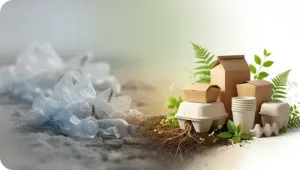
Discover how eco-friendly production, upcycling, and circular economy practices can transform manufacturing into a greener and more sustainable system.
Why Eco-Friendly Production Matters
Manufacturing is the backbone of the global economy—but it comes at an environmental cost. Large-scale mining, unsustainable energy use, and waste generation all harm our planet.
Simply reversing these developments is not enough. To truly achieve sustainability, we must shift toward a circular economy, where products and resources are reused, recycled, and regenerated.
At EcoFriendlyPackaging, we support this transition by promoting green production practices that reduce waste and extend product lifecycles.
Eco-Friendly Production and Raw Materials
The raw materials used in production play a major role in determining eco-friendliness. Ideally, materials should be:
- Biodegradable
- Non-toxic
- Sustainably sourced
In cases where full sustainability isn’t possible, ensuring that materials are at least safe and recyclable is essential.
👉 Example: Paper recycling can generate toxic wastewater due to inks, paints, or varnishes. If uncontaminated, however, the water and paper fibers can be safely recycled.
Upcycling vs Recycling: What’s the Difference?
Most people know about recycling, but few understand the importance of upcycling.
- Recycling: Often leads to downcycling—where new products are of lower quality because not all components can be reused.
- Upcycling: Reuses materials in a way that creates something of equal or higher value than the original product.
👉 Example: Instead of burning used wood, it can be transformed into new furniture or wood-based products. This not only saves trees but also reduces waste.
Key takeaway: Upcycling is a cornerstone of the circular economy, ensuring materials are reused without downgrading their quality.
The Role of Sustainable Energy in Green Production
Beyond raw materials, energy sources are critical to eco-friendly production. Transitioning from fossil fuels to renewable energy (solar, wind, hydro) significantly reduces environmental impact.
Consumers today are also looking for proof. Independent eco-labels and certifications (such as FSC, Energy Star, or EcoLabel) verify that products meet sustainability standards, increasing consumer trust.
Conclusion: A Future with Circular Economy
Eco-friendly production isn’t just about reducing harm—it’s about rebuilding systems where waste is minimized, resources are regenerated, and energy is sustainable.
By embracing upcycling, renewable energy, and non-toxic raw materials, we can move toward a truly circular economy and a greener future.sustainability of the product.




 by Eco Friendly Packaging
April 20, 2025
Comments Off on Sustainable Packaging: Why Is It Important?
by Eco Friendly Packaging
April 20, 2025
Comments Off on Sustainable Packaging: Why Is It Important?